

Section 2
Set Expectations
Many models collapse not from bad math, but from misplaced ambition. Teams overreach, trying to account for every variable before they’ve proven the structure works. In the public sector, where resources and timelines are tight, this approach can be fatal to momentum.
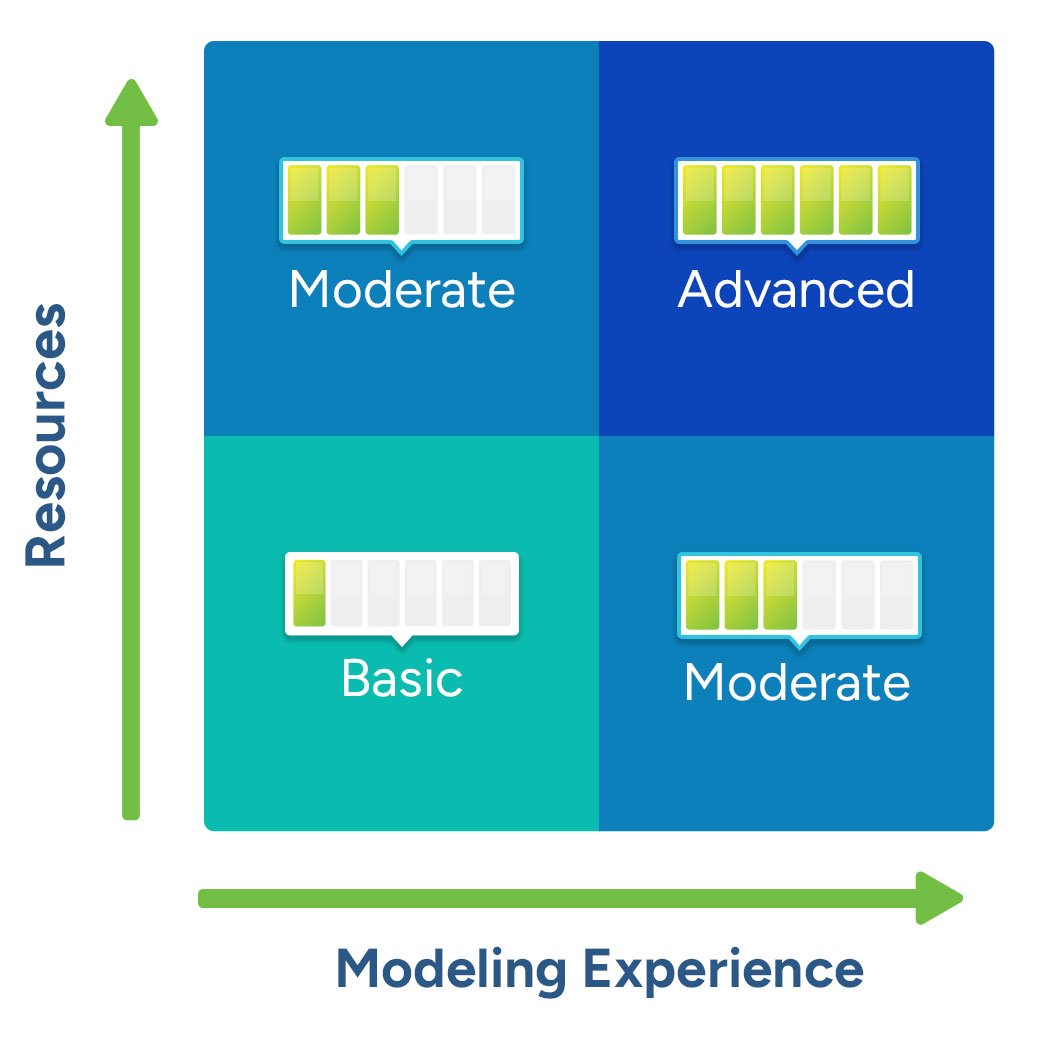
Setting expectations is about matching ambition to capacity. Modelers must be honest about available staff, skill levels, and decision timelines. A lean, functional model that works today will always provide more value than a sprawling one that’s never finished.
Instead of perfection, aim for progression. Start small — build a “minimum viable model,” test it with leadership, and expand based on what’s actually used. This approach reframes resource constraints not as barriers, but as guardrails that keep modeling practical and maintainable.
Section 6
Collective Principle
Across all these guidelines, a single truth remains:
Perfection is the enemy of progress.
Financial models are never “finished.” They evolve. Chasing flawless precision or completeness leads to paralysis; focusing on structure, purpose, and usability leads to insight.
Each principle — setting goals, calibrating expectations, simplifying structure, designing for change, and preserving knowledge — builds toward the same outcome: a modeling culture that prioritizes clarity and continuity over complexity and ego. The goal isn’t to build the perfect model; it’s to build a model that consistently helps your institution. make better, faster, and more transparent decisions.

Learning Objectives Recap
By the end of this module, you should be able to:

Identify the core principles that define sustainable, adaptable financial modeling frameworks for public and nonprofit organizations.
Connect each principle to a common modeling challenge — understanding how clear goals, simplicity, and flexibility counteract confusion, fragility, and overcomplexity.